
I’ve spent just over a decade working in aircraft maintenance and parts procurement, mostly supporting small charter operators and a couple of regional MROs. The phrase Aircraft Parts for Sale shows up early in nearly every project I touch, usually right after an AOG call or a maintenance finding that no one hoped would turn into a parts chase. I’ve learned—sometimes the hard way—that buying aircraft parts isn’t about who lists the most inventory or who answers the phone first. It’s about knowing what questions to ask before money changes hands and before a part ever reaches the hangar floor.
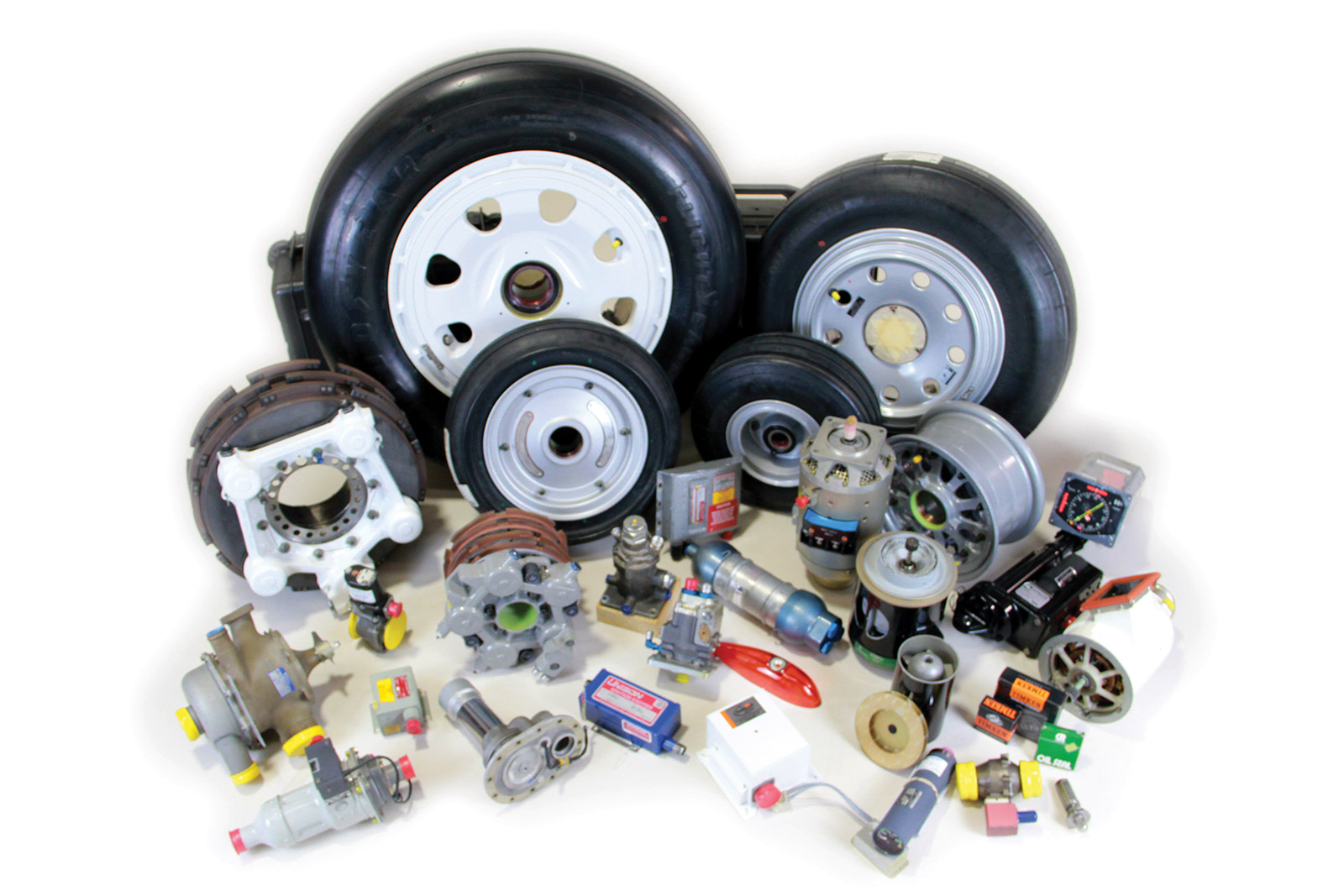 Early in my career, I was helping source a fuel control unit for a turboprop that was already behind schedule. The part was “available,” “tagged,” and priced attractively. What slowed us down wasn’t the cost—it was discovering late in the process that the documentation trail didn’t fully line up with the aircraft’s configuration. That single detail added days to the downtime, which cost far more than the part itself. Experiences like that shape how I evaluate parts listings today.
One thing you only learn by being in the field is that not all parts labeled as serviceable are equal in practical terms. A component can be airworthy on paper and still be a poor fit for a specific operation. I’ve seen operators save a few thousand dollars on a used actuator, only to pull it again at the next inspection because its remaining life didn’t align with their maintenance program. From my perspective, parts selection should always be tied to how the aircraft is flown, not just what’s technically allowed.
I’m also cautious around listings that focus heavily on price but gloss over traceability. A few years back, I was assisting a client who purchased avionics modules from a surplus dealer. The modules arrived on time, but one had a repair station tag that raised questions during installation. We spent hours verifying serial numbers and repair histories—time the maintenance crew could have spent elsewhere. Since then, I always tell operators to slow down and read the paperwork as carefully as they read the listing itself.
Another common mistake I see involves interchangeable part numbers. On paper, two components might cross-reference cleanly, but real-world compatibility can be more nuanced. I remember a case involving landing gear components where the alternate part number was technically acceptable but required additional hardware and labor that hadn’t been budgeted. The buyer thought they were getting a deal; in reality, the savings evaporated once installation began. That kind of lesson sticks with you.
Condition descriptions are another area where experience matters. Terms like “overhauled,” “repaired,” or “as removed” can mean very different things depending on who’s selling. I once inspected an “as removed” component that had been pulled due to a recurring fault. Nothing in the listing hinted at that history. Since then, I’ve made it a habit to ask why a part was removed and what prompted its availability. Sellers who know their inventory usually have no problem answering those questions.
I’m also selective about where parts are sourced during time-critical situations. During an AOG event last spring, we had multiple offers on the same component. One vendor had the part closer geographically, but another had a clearer maintenance history and a reputation I trusted. We chose the second option, even though it meant a slightly longer shipment. The aircraft returned to service without follow-up issues, and that outcome reinforced my belief that speed should never override confidence in the part.
For newer buyers, one of the hardest things to learn is how to balance availability with long-term cost. I’ve seen operators fill their shelves with inexpensive surplus parts that never get installed, tying up capital and storage space. In contrast, strategic purchases—made with fleet planning in mind—tend to pay off over time. This isn’t something you figure out from catalogs alone; it comes from seeing which parts actually move and which ones gather dust.
Another detail that often gets overlooked is packaging and handling. Components like gyros, valves, and electronic units can be perfectly serviceable yet arrive damaged because they weren’t shipped correctly. I’ve opened crates that looked fine on the outside but told a different story inside. Now, I always confirm how sensitive items will be packed and whether shock or moisture protection is included. It’s a small step that prevents big headaches.
After years in this space, my perspective is fairly simple: buying aircraft parts is less about transactions and more about judgment. Listings come and go, prices fluctuate, and inventories change, but the fundamentals stay the same. Clear documentation, honest condition descriptions, and alignment with the aircraft’s actual operating needs matter far more than a quick deal.
I still review parts listings regularly, and I still get calls asking whether a specific offer makes sense. The answers aren’t always yes, and that’s fine. In aviation maintenance, restraint is often just as valuable as action. Over time, that mindset keeps aircraft flying safely and operators out of unnecessary trouble—and that, in my experience, is the real measure of a good parts decision.