
When I first opened the IPQualityScore fraud detection API docs, I was immediately struck by the clarity and depth of the information. As a cybersecurity consultant with over a decade of experience helping businesses prevent online fraud, I’ve seen my share of APIs that are either overly complex or under-documented. This one, however, balances technical detail with real-world usability, which makes integrating it into a fraud prevention workflow much smoother.
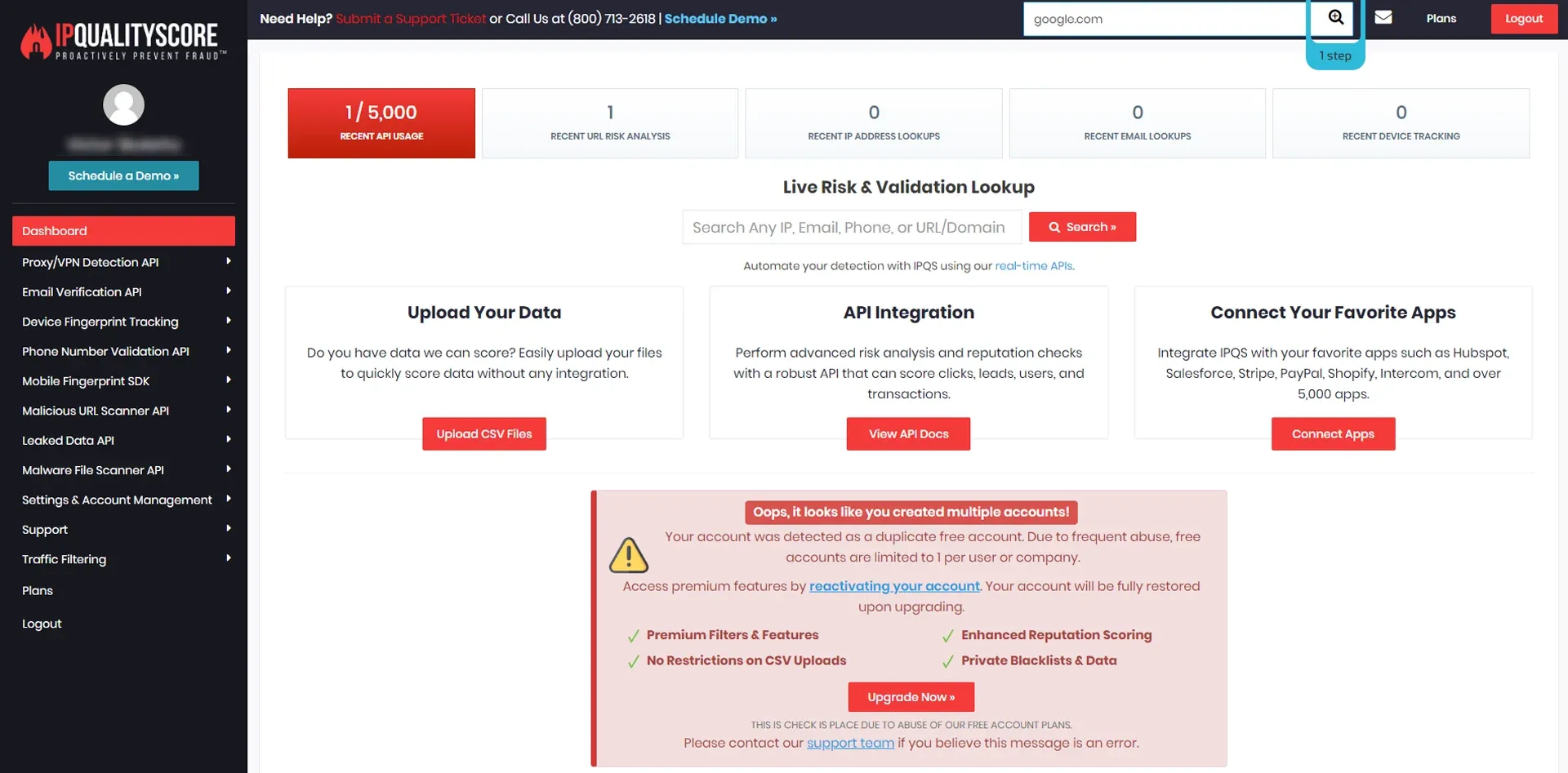
In my experience, the true value of a fraud detection API isn’t just in the raw data it provides but in how quickly and accurately it helps you make decisions. I remember a client last spring, an e-commerce company processing hundreds of transactions daily. They had begun noticing a pattern of chargebacks from suspicious accounts. By following the IPQualityScore API docs, I was able to help their developers implement checks for high-risk IPs, disposable emails, and VPN usage. Within a few weeks, the client saw a significant drop in fraudulent transactions, saving them several thousand dollars.
One of the features I appreciate most is how the documentation clearly explains each endpoint and its expected responses. On a separate project with a SaaS platform, the API docs helped me identify which parameters were most useful for real-time scoring versus batch analysis. For instance, the “fraud_score” parameter quickly flags risky activity, while “email_verification” and “phone_validation” endpoints offer context that can confirm legitimate users. Using these insights, I guided the client to implement a tiered verification system that didn’t disrupt normal customers but caught repeat offenders effectively.
I’ve also noticed common mistakes developers and businesses make when integrating fraud detection APIs. A frequent error is assuming the API will handle all risk assessment automatically without context. During a consultation with a fintech startup, I saw their team blocking every account flagged with a mid-range fraud score. This led to legitimate users being denied access, which created customer complaints. I advised them to treat the API’s scoring as part of a broader fraud prevention strategy—combining it with user behavior analysis, historical transaction patterns, and manual review. The result was fewer false positives and more targeted fraud prevention.
Another hands-on example involved a small subscription service that was struggling with fake accounts using free trial offers. By following the API docs carefully, we were able to cross-check IP addresses, proxy usage, and disposable email domains before account activation. One customer who initially appeared high-risk turned out to be legitimate after a quick manual check, showing how important it is to interpret the API data intelligently rather than relying on automation alone. That scenario reinforced a lesson I’ve learned repeatedly: fraud detection is most effective when human judgment complements automated tools.
The API docs also include clear examples of request and response structures, which saved me time when helping clients implement webhooks and real-time scoring. On several projects, this clarity meant developers could test endpoints in a sandbox environment without disrupting live systems. I’ve found that when documentation is this precise, integration errors decrease, and teams spend less time troubleshooting basic syntax issues.
From my professional perspective, the IPQualityScore fraud detection API docs are more than just technical instructions—they provide a roadmap for implementing intelligent, actionable fraud prevention. They allow businesses to quickly identify risky activity, protect revenue, and maintain a smooth experience for legitimate users. My advice to teams using this API is to study the docs carefully, combine automated scoring with manual oversight, and continuously refine the rules based on real-world results. That approach ensures you get both security and usability in equal measure.